How to Recover Abandoned Carts on WhatsApp (2026 Playbook)

Most online stores lose the majority of their carts before checkout — that is normal. What is not normal is leaving all of that intent on the table. If you want to recover abandoned carts on WhatsApp, you already have the most direct line to your customer: a channel they actually read, on the device they shopped from. This is the playbook we recommend to Indian D2C and e-commerce brands in 2026.
Email still has its place, but for time-sensitive nudges, WhatsApp is hard to beat. Many stores also feed new opted-in contacts from click to whatsapp ads straight into recovery flows. Below is exactly how to set it up — the sequence, the timing, the compliance basics, and the numbers to watch.
Why WhatsApp beats email and SMS for recovery
A cart abandonment reminder only works if it gets seen quickly. That is where WhatsApp has a structural advantage over the alternatives:
- It gets opened. WhatsApp messages are typically read within minutes, while a large share of marketing emails are never opened at all.
- It is conversational. A customer can reply "is COD available?" and get an answer — something a one-way SMS or a no-reply email can't do.
- It is rich. You can send the product image, price, and a direct "Complete my order" button in a single message.
- It feels personal, not spammy. A short, helpful nudge from a brand the customer was just shopping with reads as service, not noise.
For an Indian store, the COD question matters. A big reason carts stall here isn't price — it's hesitation about payment or delivery. WhatsApp lets you resolve that doubt in the same thread.
How to recover abandoned carts on WhatsApp in three messages
You don't need a ten-step funnel. A tight three-message sequence does most of the work. Here is the structure we recommend:
- The gentle reminder (within the first hour). Friendly and low-pressure. "Hi Aarav, you left a few items in your cart. Want us to hold them for you?" Include the product and a link straight back to checkout.
- The objection-handler (next day). Address the real reason people stall — shipping, COD, returns, or sizing. "Still thinking it over? We offer COD and easy 7-day returns. Here's your cart 👉". This message recovers the fence-sitters.
- The nudge with a reason to act (day 2–3). A modest incentive or scarcity, used sparingly. "Your cart is about to expire — here's free shipping if you check out today." Don't lead with discounts, or you train people to abandon on purpose.
Keep each message short, lead with the customer's name and product, and always include one clear action.

Timing windows that actually convert
Timing is where most recovery flows quietly fail. Send too late and the intent is gone; send too often and you get blocked.
- Message 1: 30–60 minutes after abandonment. The customer still remembers the product and the reason they paused.
- Message 2: roughly 24 hours later. Enough space to not feel pushy, soon enough to still matter.
- Message 3: 48–72 hours after the cart. Your last, value-led attempt. After this, stop.
Respect quiet hours — don't fire reminders at 1 a.m. — and cap the sequence at three. If someone completes the purchase or replies, they should immediately exit the flow. Chasing a customer who already paid is the fastest way to lose trust.
Templates, opt-in, and staying compliant
Because these messages are sent after a window of inactivity, they go out as template messages on the WhatsApp Business API, and templates need Meta approval before you can use them. A few essentials:
- Get opt-in first. Collect consent at checkout or account creation — a clear checkbox or a tick that the customer agrees to order and cart updates on WhatsApp.
- Use the right category. Cart nudges are marketing-style messages; write the template accordingly and get it approved before launch. Copy-ready structures are in our whatsapp message template examples guide.
- Make opting out easy. Honour stop requests instantly. One annoyed "STOP" handled well protects your sender quality.
- Keep templates honest. No fake urgency or misleading claims — Meta can reject or limit templates that break the rules.
If the API, templates, and conversation categories are new to you, our explainer on the WhatsApp Business app vs the Business API breaks down what you need and when, and the guide to WhatsApp Business API pricing in India shows how per-conversation costs work.
Let automation do the follow-up
Sending three timed messages by hand, per cart, is impossible at any real volume. This is the entire point of automation. With QwikPing you connect your store, and an abandoned cart automatically triggers the sequence:
- The flow starts when a cart sits idle past your chosen window.
- Each message pulls in the customer's name, the product, and a checkout link.
- The customer drops out of the flow the moment they buy or reply.
- Your team only steps in when someone asks a question that needs a human.
Set it once and it runs in the background — quietly recovering orders while you focus on the rest of the business. Cart recovery is just one flow; for more ideas, see our WhatsApp automation examples covering ten workflows real businesses run.
Mistakes that quietly kill recovery
Even a solid sequence underperforms when these creep in. Watch for them:
- Treating every cart the same. A ₹400 cart and a ₹40,000 cart don't deserve identical effort. Segment by value and send your best follow-up to high-intent, high-value carts.
- Leading with a discount. Open with help, not money. If the first message is a coupon, shoppers learn to abandon on purpose to trigger one.
- Ignoring the reply. When a customer answers "do you have it in blue?", that thread needs a human fast. A missed reply is a lost sale you already paid to start.
- One-size copy forever. Templates fatigue. Refresh wording every few weeks and test a different objection-handler in message two.
- No exit on purchase. If someone buys after message one, messages two and three must not fire. Nothing erodes trust faster than chasing a paid customer.
Fix these five and most stores see their recovery rate climb without sending a single extra message.
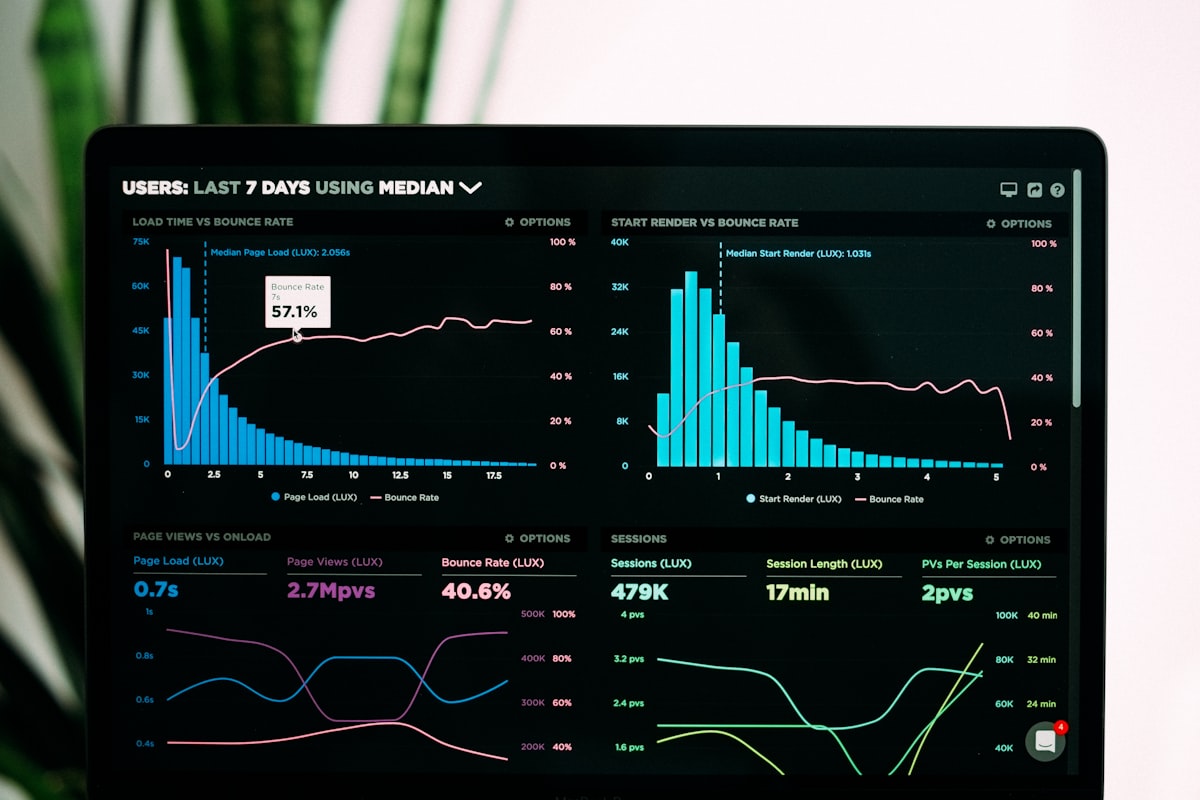
What to measure
Recovery is easy to improve once you actually track it. Watch these four numbers:
- Recovery rate — share of abandoned carts that convert after the sequence. This is your headline metric.
- Recovered revenue — rupees brought back that you would otherwise have lost. The number that justifies the channel.
- Per-message conversion — which of the three messages does the heavy lifting, so you can sharpen the weak ones.
- Opt-out rate — your early warning. If it climbs, your timing or frequency is too aggressive.
As an illustrative example, a store doing ₹10 lakh a month with a large pool of abandoned carts can often bring back a meaningful slice of that lost revenue with a well-timed sequence — frequently more than the channel costs to run. Treat those figures as a model to test against your own data, not a guarantee.
Start simple: launch the three-message flow, watch the recovery rate for a few weeks, then refine timing and copy. Small, steady improvements compound fast on a channel people actually read.